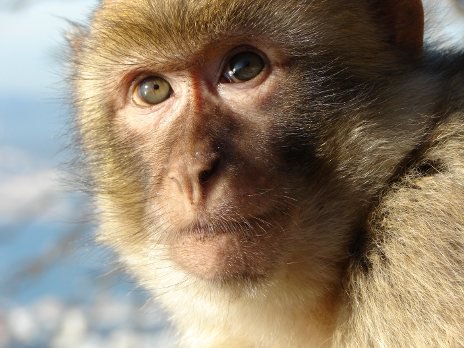
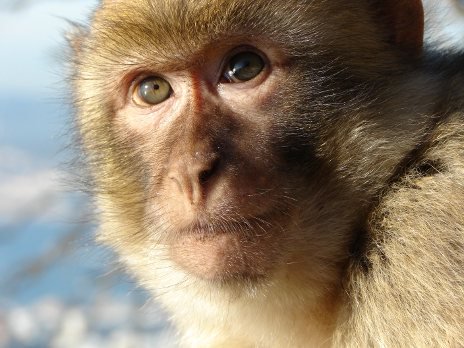
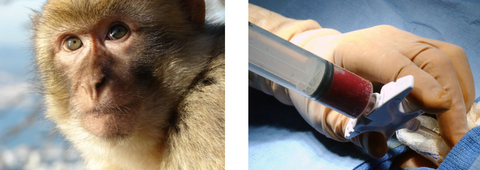
Cynomolgus monkeys, a non-human primate (NHP) species native to Southeast Asia, are widely used in biomedical research due to their close genetic and physiological similarity to humans. With a lifespan of approximately 25–30 years, cynomolgus monkeys serve as robust models in toxicology, pharmacology, metabolism, physiology, and neuroscience research. Importantly, many age-related conditions observed in cynomolgus monkeys—such as cardiovascular disease, Alzheimer’s disease, osteoarthritis, obesity, and diabetes—closely parallel those in humans, making them highly relevant for translational studies.
Cynomolgus CD14⁺ monocytes play a central role in innate immune responses. Upon activation, these cells mediate antibody-dependent cellular phagocytosis (ADCP) through the phagocytosis of antibody-opsonized targets and the secretion of inflammatory cytokines. Depending on microenvironmental cues, CD14⁺ monocytes are capable of differentiat
ing into macrophages or dendritic cells, thereby contributing to immune surveillance, antigen presentation, and tissue-specific immune regulation.

HumanCells' purified cynomolgus CD14⁺ monocytes provide a valuable in vitro system for studying monocyte biology, including differentiation, functional activation, and effector responses. These cells enable researchers to perform functional assays such as cytokine profiling, antigen presentation studies, and stimulation-dependent immune response analyses, supporting both basic research and translational immunology applications.
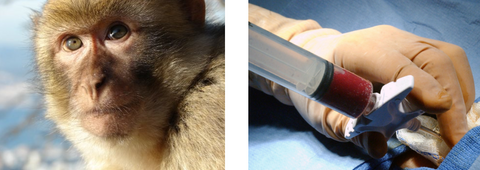
Our Non-Human Primate CD14⁺ Monocyte Cells are isolated from cynomolgus peripheral blood mononuclear cells (PBMCs) via immunomagnetic separation. All whole blood is collected via venipuncture from cynomolgus monkeys housed in AAALAC-accredited facilities within the United States, with animals screened and confirmed negative for Herpes B, SRV, SIV, STLV, and Measles.