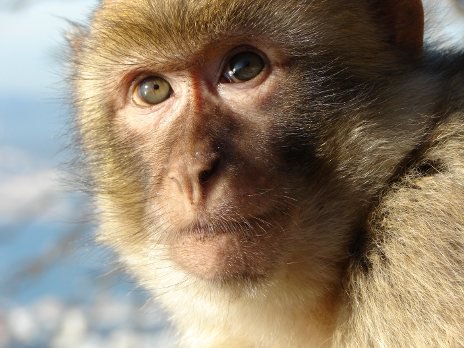
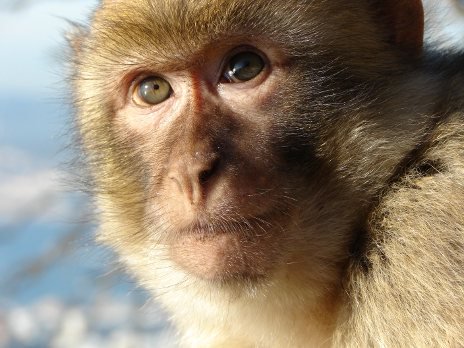
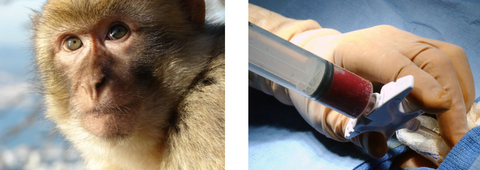
Cynomolgus monkeys, a non-human primate (NHP) species native to Southeast Asia, are widely used in biomedical research due to their close genetic and physiological similarity to humans. With a lifespan of approximately 25–30 years, cynomolgus monkeys serve as robust models in toxicology, pharmacology, metabolism, physiology, and neuroscience research. Importantly, many age-related conditions observed in cynomolgus monkeys—such as cardiovascular disease, Alzheimer’s disease, osteoarthritis, obesity, and diabetes—closely parallel those in humans, making them highly relevant for translational studies.
Natural Killer (NK) cells are a critical subset of lymphocytes involved in innate immunity. In adult cynomolgus monkeys, NK cells constitute approximately 2–18% of peripheral blood mononuclear cells (PBMCs) and play essential roles in early defense against viral infections and tumor formation.
 HumanCells Bioscience offers purified cynomolgus NK cells, ideal for investigating their biology, immune functions, and therapeutic potential.
NK cells are frequently utilized in drug discovery and development, assay validation and development, antibody-dependent cell-mediated cytotoxicity (ADCC) assays, and other immunology applications. These cells are particularly valuable in preclinical safety studies, providing insights into NK cell-mediated responses and helping ensure biologics do not elicit unintended effects before first-in-human trials.
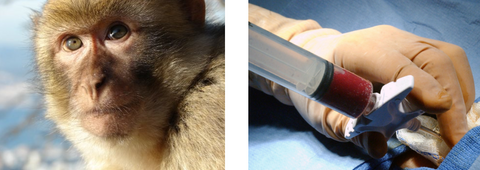
Our non-human primate NK cells are isolated from PBMCs using immunomagnetic separation techniques. All whole blood is collected via venipuncture from cynomolgus monkeys housed in AAALAC-accredited facilities within the United States, with animals screened and confirmed negative for Herpes B, SRV, SIV, STLV, and Measles.